Historical Al Ali Fort in Umm Al Qawain UAE

Al Ali Fort stands as one of the most significant historical landmarks in Umm Al Quwain, reflecting the rich cultural heritage and architectural traditions of the region. Built in the early 20th century, the fort served as the residence of the ruling Al Mualla family and functioned as the center of governance for the emirate. Its construction represents a blend of defensive necessity and residential comfort, characteristic of many Gulf forts of that era. Today, Al Ali Fort has been carefully restored and transformed into a museum, allowing visitors to explore the history, lifestyle, and traditions of Umm Al Quwain.
The architecture of Al Ali Fort is a striking example of traditional Emirati design. Constructed primarily from coral stones, gypsum, and mangrove beams, the fort was built using materials readily available in the coastal environment. Its thick walls provided insulation against the harsh desert heat, while also serving as a defensive barrier against potential attacks. The structure includes a large central courtyard, which was a common feature in regional architecture, offering ventilation and a communal space for daily activities. The fort is flanked by watchtowers, which were used for surveillance and protection, highlighting its dual role as both a residence and a defensive stronghold.
Historically, Al Ali Fort played a crucial role in the governance and protection of Umm Al Quwain. It served as the seat of power for the ruling family, where important decisions were made and administrative matters were handled. The fort also functioned as a place of refuge during times of conflict, providing safety for the ruler and his family. Its strategic location allowed for a clear view of the surrounding areas, making it easier to monitor any approaching threats. This reflects the broader historical context of the region, where tribal conflicts and maritime threats necessitated fortified structures.
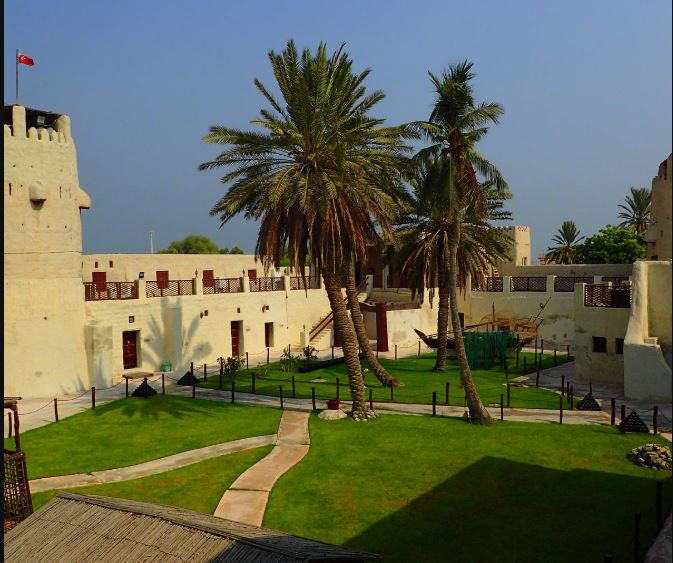
In the latter half of the 20th century, as modernization swept across the United Arab Emirates, many traditional structures faced the risk of neglect or demolition. However, Al Ali Fort was preserved and later restored to maintain its historical integrity. It was eventually converted into the Umm Al Quwain National Museum, a transformation that gave the building a new purpose while safeguarding its legacy. Inside the museum, visitors can find a wide range of exhibits, including archaeological artifacts, traditional weapons, household items, and displays that illustrate the daily life of the emirate’s inhabitants in earlier times.
The museum also highlights the maritime heritage of Umm Al Quwain, showcasing tools and equipment used in fishing and pearl diving, which were once the backbone of the local economy. These exhibits provide valuable insight into the resilience and resourcefulness of the people who lived in the region long before the discovery of oil. Additionally, the fort’s preserved rooms offer a glimpse into the lifestyle of the ruling family, complete with traditional furnishings and decor that reflect the customs and values of the time.
Al Ali Fort is more than just a historical building; it is a symbol of identity and continuity for Umm Al Quwain. It connects the present generation with their past, offering a tangible link to the traditions and experiences that shaped the emirate. As a cultural landmark, it plays an important role in education and tourism, attracting visitors who are interested in learning about the history of the United Arab Emirates beyond its modern skyline. Through its preservation and transformation into a museum, Al Ali Fort continues to stand as a testament to the enduring legacy of the region’s heritage.


Comments