The Falaj (water channel) system in Umm Al Quwain UAE

The Falaj (water channel) system in Umm Al Quwain represents a remarkable example of traditional ingenuity in managing scarce water resources in arid environments. Rooted in ancient practices that date back thousands of years across the Arabian Peninsula, the falaj system was developed to transport water from underground sources, springs, or distant aquifers to areas of human settlement and agriculture. In Umm Al Quwain, one of the smaller emirates of the United Arab Emirates, this system played a crucial role in sustaining life long before the advent of modern desalination and pumping technologies.
The basic structure of a falaj consists of a gently sloping underground or surface channel that allows water to flow naturally by gravity from its source to its destination. This design minimizes evaporation, a critical consideration in desert climates where temperatures can be extremely high. In Umm Al Quwain, where rainfall is limited and freshwater sources are scarce, such efficiency was essential. The falaj channels were often carefully engineered to maintain a precise gradient, ensuring a steady and reliable flow of water without the need for mechanical assistance.
Communities in Umm Al Quwain historically relied on the falaj system not only for drinking water but also for irrigation. Agriculture, though limited by environmental conditions, was made possible through the equitable distribution of water provided by these channels. Date palms, which are well-suited to arid climates, were among the primary crops supported by falaj irrigation. Farmers depended on scheduled water shares, often regulated by time-based systems, to ensure fair access among users. This method of allocation required strong community cooperation and governance, reflecting a social structure closely tied to resource management.
The construction and maintenance of falaj systems demanded significant communal effort and technical knowledge. Digging the channels, especially underground tunnels, required skilled labor and an understanding of geology to locate reliable water sources. Over time, specialized roles emerged within communities, including individuals responsible for maintaining the channels, removing blockages, and ensuring the structural integrity of the system. Regular upkeep was vital, as even minor disruptions could impact water flow and threaten the livelihoods of those who depended on it.
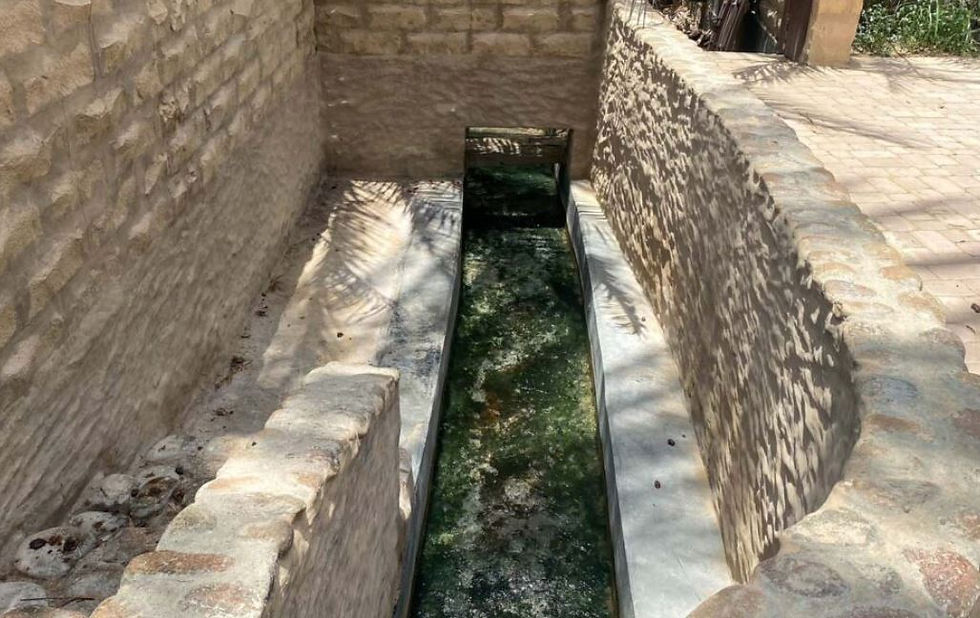
In Umm Al Quwain, the falaj system also had cultural and social significance beyond its practical function. It served as a focal point for community interaction and cooperation, reinforcing bonds among residents. The shared responsibility of managing water resources fostered a sense of collective ownership and mutual dependence. Traditions and customs related to water distribution were passed down through generations, becoming an integral part of local heritage.
With the rapid modernization of the United Arab Emirates in the late 20th century, traditional systems like the falaj have largely been replaced by advanced infrastructure such as desalination plants and electric pumps. These technologies provide a more consistent and scalable supply of water to meet the needs of growing populations and urban development. However, the historical importance of the falaj system in Umm Al Quwain remains significant. It stands as a testament to human adaptability and the ability to thrive in challenging environments through innovation and cooperation.
Today, there is increasing recognition of the cultural and historical value of falaj systems across the region. Efforts to preserve and study these ancient water channels highlight their role in shaping settlement patterns, agricultural practices, and social organization. In Umm Al Quwain, remnants of falaj systems offer insight into the emirate’s past and the resilience of its people. They also serve as a reminder of sustainable water management practices that relied on harmony with natural resources rather than technological dominance.
In conclusion, the falaj system in Umm Al Quwain is more than an ancient method of water distribution; it is a symbol of survival, community, and environmental adaptation. Its legacy continues to inspire appreciation for traditional knowledge and sustainable practices in a modern world increasingly concerned with resource conservation.


Comments